


Washington D.C.
Discover the Heart of History
The White House
The White House, the official residence and workplace of the President of the United States, was designed by James Hoban and completed in 1800. It was built following the decision to locate the U.S. capital in Washington, D.C. The White House has been the residence of every U.S. president since John Adams, though it has undergone several expansions and renovations over time. In 1814, during the War of 1812, British forces set fire to the building, but it was later rebuilt.
Arlington National Cemetery
Arlington National Cemetery, established in 1864 during the Civil War, is located on the grounds of the former Arlington Estate, once owned by George Washington’s adopted grandson, George Washington Parke Custis. Following the Civil War, the site was selected as a burial ground for Union soldiers, and over time, it became the final resting place for more than 400,000 military veterans and their families.
The Washington Monument
The Washington Monument, an iconic obelisk honoring George Washington, the first president of the United States, was completed in 1884. Standing at 555 feet, it was the tallest man-made structure in the world when it was finished and remains one of the tallest obelisks in the world. Construction of the monument began in 1848, but was halted in 1854 due to funding issues and the Civil War. It resumed in 1877 and was completed with the help of private donations and government support.
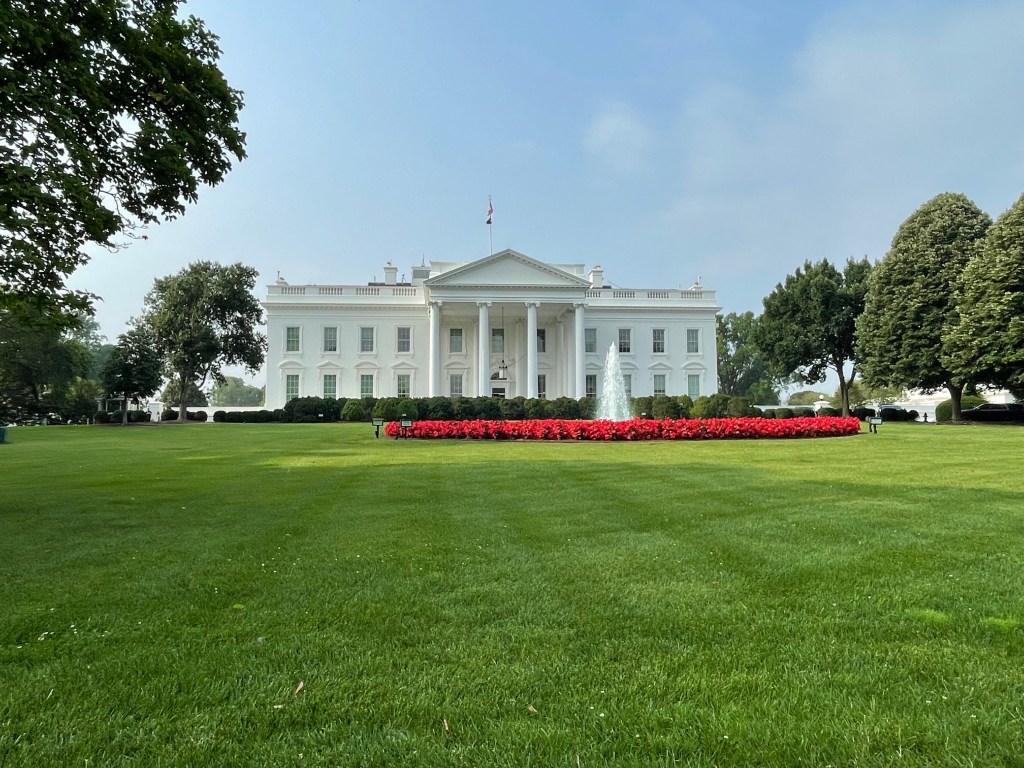
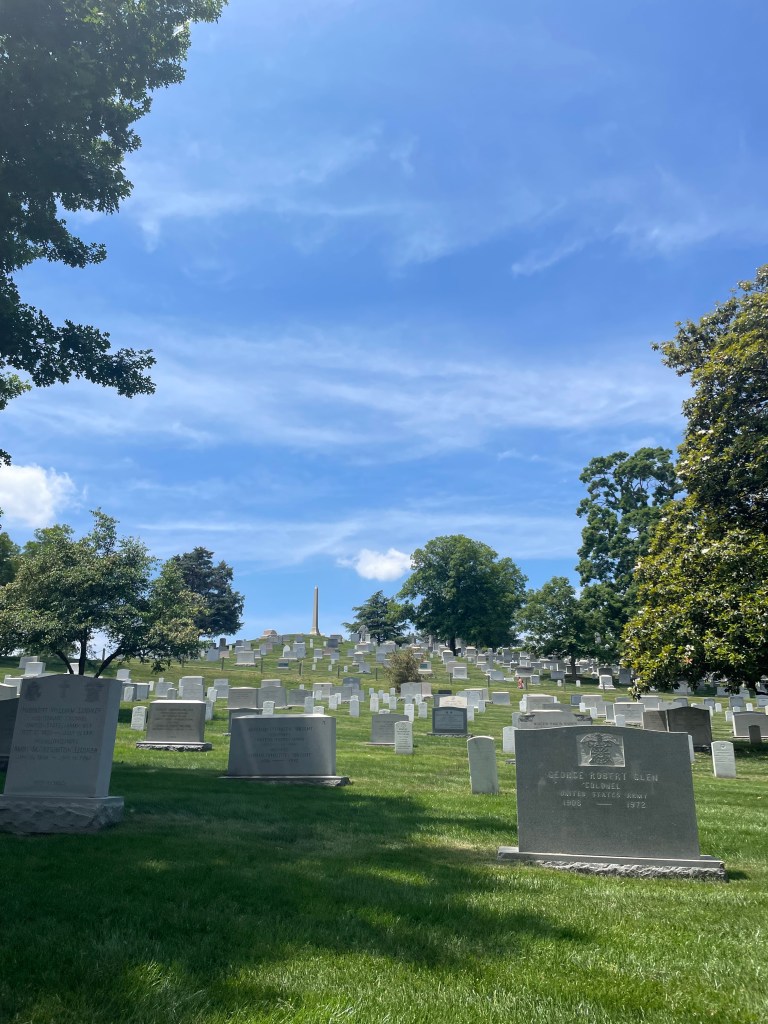
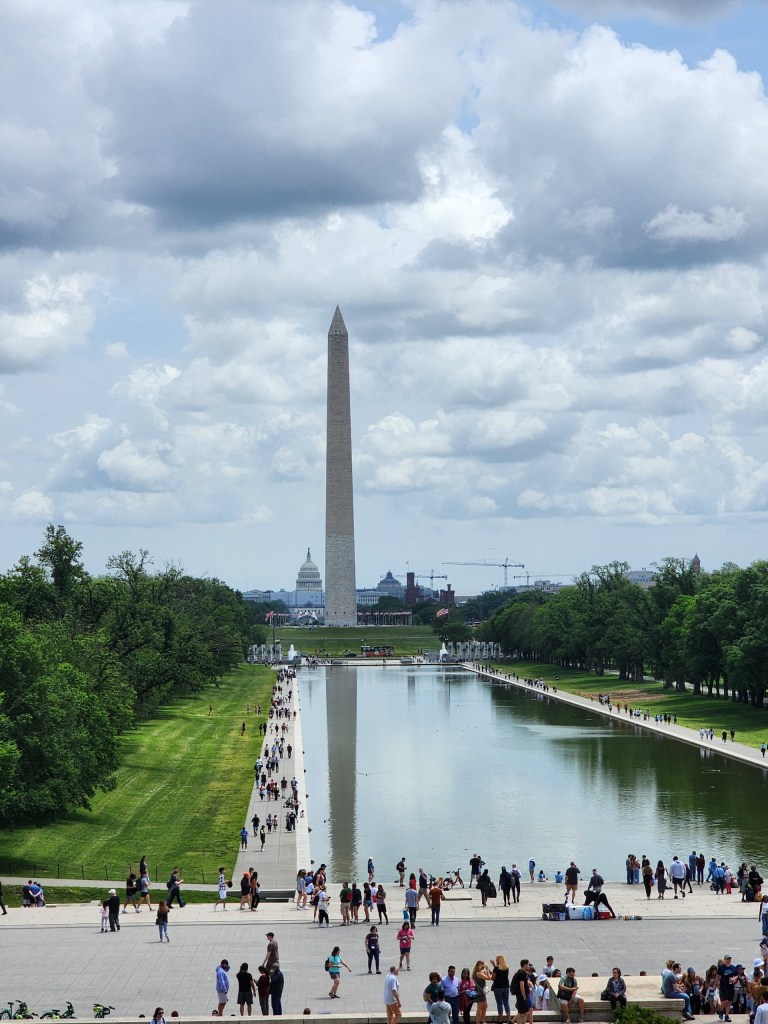
Table of Contents
Places
1
Arlington Cemetery
2
The White House
3
Washington Monument
4
Lincoln Memorial
5
Thomas Jefferson Museum
6
The Capitol Building
About Washington DC
Brief History
To learn more about Washington D.C click on the different key places and learn more about the unique history.
Washington, D.C., the capital of the United States, has a rich history dating back to the late 18th century. In 1790, the U.S. Congress passed the Residence Act, which established a federal district along the Potomac River to serve as the nation’s capital. The location was selected for its strategic position between the Northern and Southern states and for its proximity to important trade routes.
In the 20th century, Washington, D.C. grew into a political and cultural center, hosting important national events like presidential inaugurations and civil rights demonstrations, including the famous March on Washington in 1963. The city remains the heart of U.S. government and politics, housing the White House, the Capitol, and the Supreme Court.
Today, Washington, D.C. is a vibrant metropolis with a mix of government buildings, museums, historical sites, and cultural landmarks. It continues to play a pivotal role in shaping U.S. policy and history.
 Washington D.C